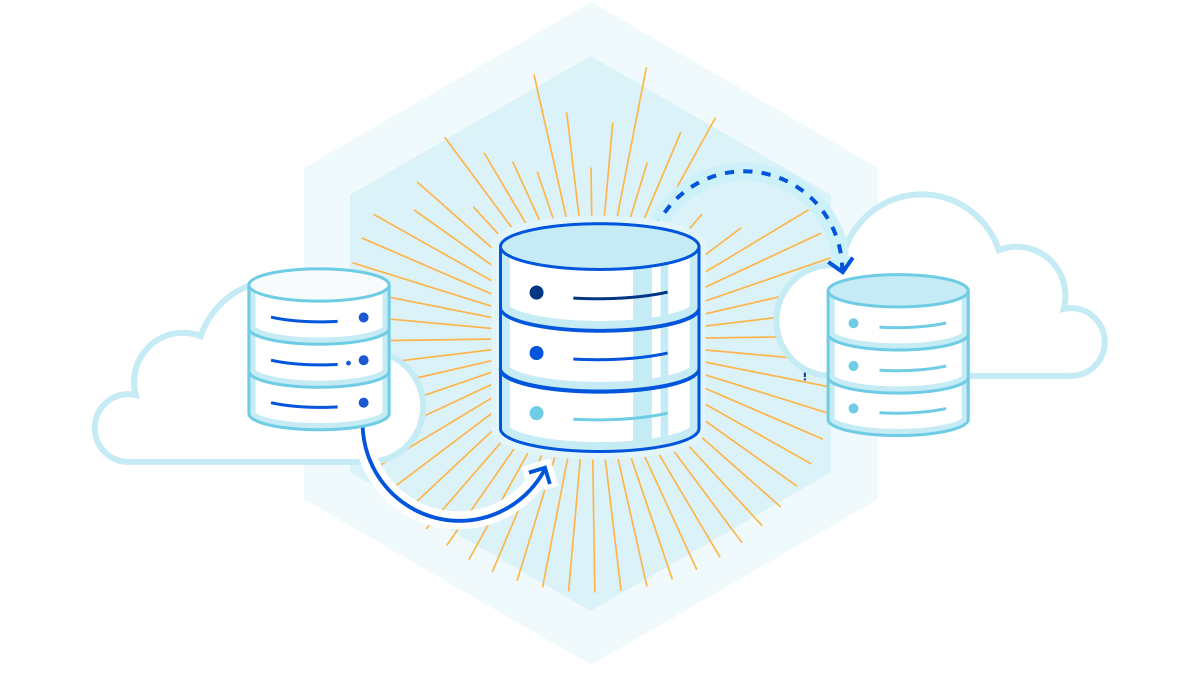
Introduction to Databases
Databases are essential in the world of information technology, as they are used to store and organize various data and information that are used in applications, websites, and management systems. Databases are characterized by their ability to organize data and facilitate their retrieval and analysis in an effective manner. Introduction to Databases.
Types of databases.
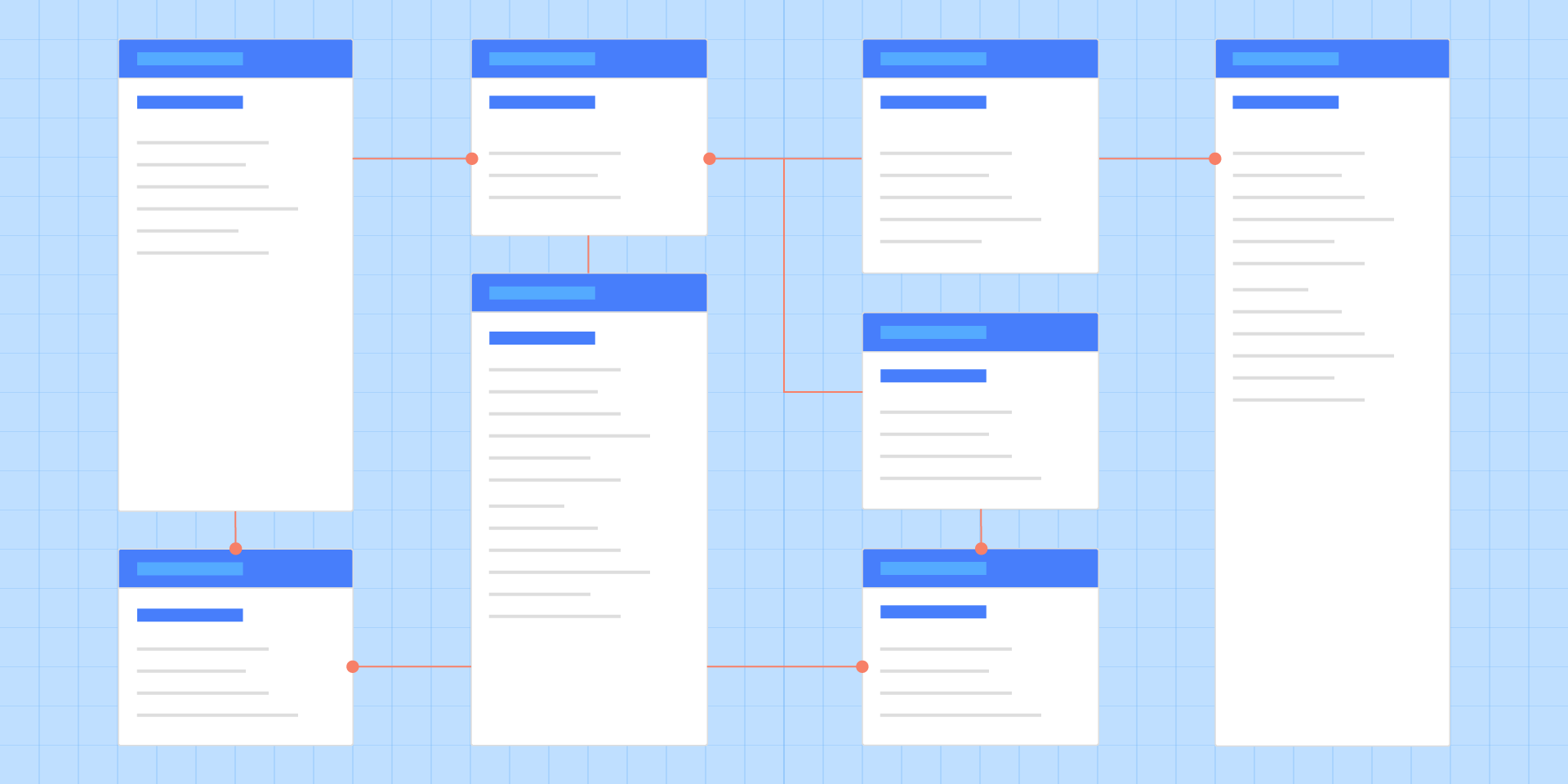
1- Relational databases: These are the most common types of databases and are used to store data related to enterprises and businesses. They rely on tables composed of rows and columns. 2- Non-relational databases: These include types such as document databases, column-family stores, and graph databases. They are used to store data with various structures and are not limited to the table-based structure of relational databases. 3- In-memory databases: These store data in memory instead of on a hard disk, which increases the speed of data retrieval. 4- Cross-platform databases: These are used in mobile applications and tablets, where they can be used on different operating systems.
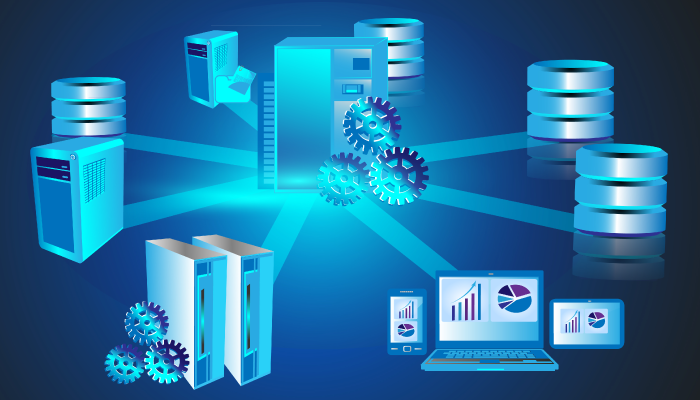
Advantages of databases
1- Improved efficiency: Databases provide enhanced performance for managing data and allow for easy and faster creation and execution of data queries compared to traditional storage files. 2- Secure data retention: Databases provide tools to protect data from loss and damage, and allow for backups and restoration in case of problems. 3- Compatibility with other software: Databases support many languages, software, and protocols, allowing for compatibility with multiple systems and different applications. 4- User communication: Some databases provide tools that allow for user communication at the data level, facilitating collaboration and coordination.
Similar to That

Introduction to Flutter
Flutter is a framework for developing mobile and web applications using the Dart programming language. Flutter is a versatile framework that can be used to develop applications for iOS, Android, web, and desktop systems. Flutter is also easy to learn and use, in addition to its ability to develop high-quality and high-performance applications.
Introduction to Laravel
In this article, you will get an introductory overview of Laravel and its most important features. We will also guide how to install Laravel and set up your development environment.